
 繁体中文
繁体中文
 English
 VietNam
 Русский
 日本語
日本語

When faced with a tough cleaning job, choosing the right method can save time, money, and equipment. The three most common contenders are sandblasting, soda blasting, and dry ice blasting. While all use compressed air to propel media, the results are vastly different. Here is a quick guide to help you decide which dry ice cleaning machine (or alternative) fits your needs.
Sandblasting:
Media: Silica sand, aluminum oxide, or steel grit.
Best For: Removing heavy rust and thick paint from structural steel.
The Downside: It is highly abrasive and can remove base material. It generates massive amounts of toxic dust and requires significant cleanup .
Soda Blasting:
Media: Sodium bicarbonate (baking soda).
Best For: Cleaning wood, chrome, and surfaces where you need a gentler touch than sand.
The Downside: It leaves behind a residue of soda that must be rinsed away with water, which can be problematic for electronics.
Dry Ice Blasting:
Media: CO2 Pellets.
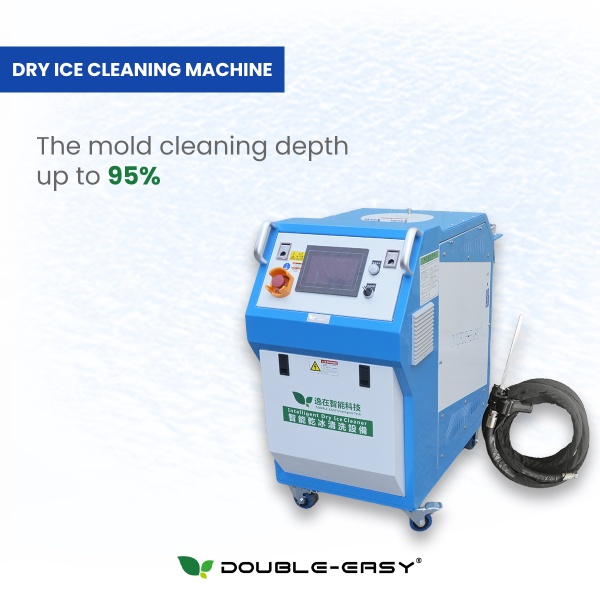
Best For: Sensitive equipment, food plants, live electrical components, and in-place mold cleaning.
The Advantage: It is non-abrasive, non-conductive, and leaves no secondary waste because the media sublimates into gas . While the initial investment in equipment may be higher, the savings in downtime and waste disposal make it highly cost-effective over time .
The Verdict:
If your priority is preserving the integrity of the asset while performing a deep clean with zero downtime for cleanup, dry ice is the superior choice.
For businesses seeking the best in dry ice technology, Guangzhou Yizai Intelligent Technology Co., Ltd. offers a range of machines designed to tackle these exact challenges. Since 2017, we have been providing sales and service support from our base in Huadu District, Guangzhou. Our team can help you select the perfect machine to replace outdated sandblasting or chemical cleaning methods, ensuring your operations run cleaner, greener, and smarter.



 WhatsApp