
 繁体中文
繁体中文
 English
 VietNam
 Русский
 日本語
日本語

If you are in the market for industrial cleaning equipment, you have probably considered sandblasting. It is the traditional go-to for heavy rust and paint removal. But sandblasting comes with serious drawbacks: surface damage, massive waste disposal, and environmental compliance headaches.
Dry ice cleaning offers an alternative that is winning over engineers and plant managers worldwide. Let us compare them side by side.
Sandblasting: The Traditional Workhorse
Sandblasting propels abrasive media (sand, glass beads, walnut shells, etc.) at high pressure to physically wear away contaminants . It is effective at removing heavy rust, thick coatings, and stubborn deposits.
But here is what they do not tell you:
Abrasive and destructive – Sandblasting physically erodes the surface. Each blast removes a tiny amount of the substrate. Over time, it shortens asset life and can distort precision parts .
Massive secondary waste – The media becomes contaminated with the materials you are removing. You have to collect it, contain it, and dispose of it—often as hazardous waste . This adds hours or even days to each project.
Environmental and health risks – Silica dust is a known carcinogen. Even with containment, fugitive dust poses respiratory dangers to workers .
Not suitable for sensitive equipment – Moving parts, sensors, and electronics cannot be sandblasted.
Dry Ice Cleaning: The Modern Alternative
Dry ice cleaning uses solid CO₂ pellets. Here is the difference:
Non-abrasive – Dry ice is soft. It removes contaminants without changing surface dimensions or damaging substrates . This is critical for molds, precision machinery, and sensitive components.
Zero secondary waste – Dry ice sublimates completely upon impact. You are left only with the contaminants you removed—which can be swept or vacuumed . No containment setup, no hours of cleanup.
Environmentally responsible – Dry ice is made from reclaimed CO₂ from other industrial processes. It does not generate additional greenhouse gases .
Non-conductive and safe – You can clean electronic equipment and live electrical systems without danger .
A Quick Cost Comparison
Sandblasting media costs are lower per pound than dry ice, but the hidden costs add up: waste disposal fees, containment setup labor, cleanup time, and surface damage that requires rework . Dry ice cleaning eliminates these overheads. And because you can clean equipment without disassembly or cooldown, production downtime shrinks dramatically .
What About Other Methods?
Chemical solvents – Effective but toxic. Solvents create hazardous waste, expose workers to health risks, and often require multiple rinsing steps .
High-pressure water blasting – Leaves moisture that can cause rust and electrical problems. Wastewater disposal is costly .
Soda blasting – Similar waste disposal challenges as sandblasting. The fine soda particles can get into crevices and are difficult to fully remove .
The Bottom Line
Choose sandblasting if you need aggressive removal on heavy steel structures and are willing to manage the waste. But for most industrial cleaning—molds, machinery, food equipment, electronics, and maintenance—dry ice cleaning wins on every metric: safety, speed, environmental responsibility, and asset protection.
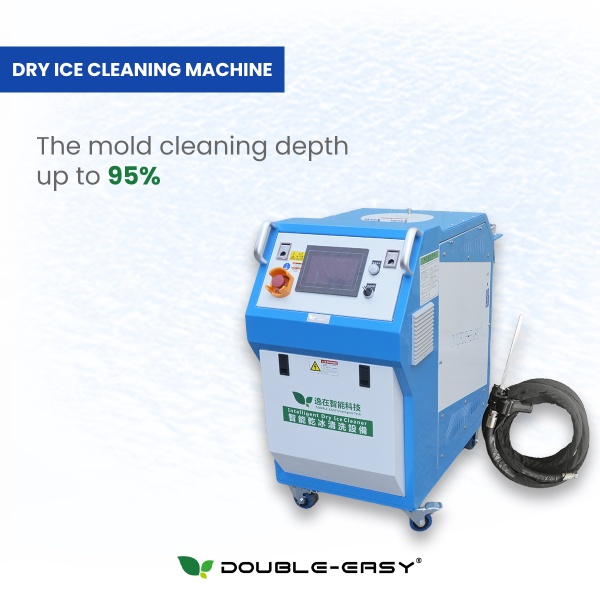
Guangzhou Yizai Intelligent Technology Co., Ltd. offers a complete range of dry ice cleaning machines for industrial applications. Our customers include BYD Auto, Great Wall Motors, Foxconn, and Coca-Cola—companies that demand performance without compromise .
Located near Guangzhou Baiyun Airport, we ship globally. Contact Yizai to discuss your application and see which method—or which machine—makes sense for your operation.
/product/dry-ice-cleaning-machine/list



 WhatsApp